

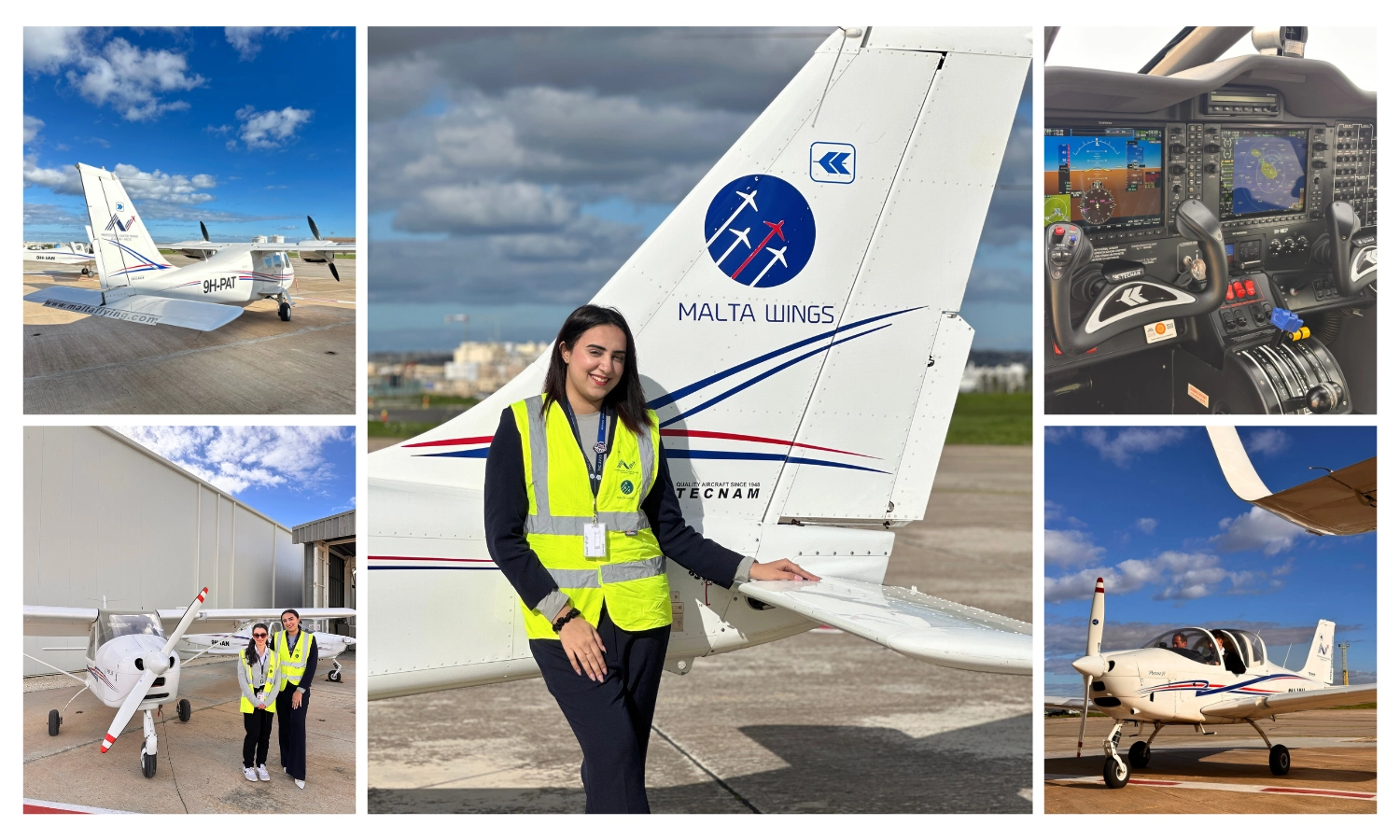
Pilot Training in Europe – Why Malta Is Emerging as a Premier Aviation Destination
When looking into Pilot Training throughout Europe, the most popular destinations are typically going to be the UK, Germany, and Spain; however, Malta, which is located in the Mediterranean, is gaining notoriety among worldwide aviation students as being the best place to pursue International Pilot Training due its solid regulatory definition, extraordinarily good weather, and strategically located airspace.
The choice of the best location for Aviators in training does not only depend on the number of flight hours, but also on the quality of the location/environment. Malta boasts a unique combination of an environment that encourages the highest level of operational awareness, implements and demonstrates the best operational procedures at airline (commercial) level, as well as providing students with an international exposure through the aviation industry.
Why Pilot Training in Europe Attracts Global Students
The continent of Europe, for many years, has been viewed as a worldwide centre for structured and safety focused aviation learning. The European Union Aviation Safety Agency (EASA) governs the entire region through its internationally compliant licensing structure. As a result of this, EASA pilot training provides one of the most valuable resources for students pursuing a higher education in international aviation.
There are several “attractions” associated with completing pilot training in Europe as a result of:
- Being highly regulated and possessing strict regulatory oversight
- Airlines’ use of training methodologies that align with one another
- Access to Controlled Airspace and International Airspace
- High Quality of both infrastructure and simulators
- Licensing pathways that can transfer across the globe
Malta is uniquely positioned to give students an agile, efficient and friendly training environment within this ecosystem.
EASA Pilot Training: Global Recognition and Airline Alignment
Malta provides an excellent opportunity for students considering flying lessons abroad. The combination of efficiency (Malta’s airspace is operationally dense) and access to the Mediterranean make this a place where trainees will experience early in their training: structured traffic management, opportunities to fly between countries by crossing borders and using professional communication standards.
Another strong reason to consider Malta for pilot training is the ability to fly year-round. In addition to the fact that trainees will have over 300 days of operational flying, they will benefit from:
- Fewer weather-related cancellations.
- Faster course completion.
- Better retention of knowledge and skills.
- More consistent progression across the entire pilot training course.
Malta’s weather pattern is significantly more conducive to training than other European locations where weather-related interruptions occur frequently. This fact is particularly beneficial for those students pursuing commercial pilot training abroad due to the role that timetable predictability plays in managing flight training costs and planning future flying careers.
Commercial Pilot Training Abroad with Multinational Exposure
By completing Commercial Pilot Training Abroad in Malta, you will be exposed to all the various aspects of flying including several types of airspace system from across Europe. Since there are flying schools in Malta and surrounding countries, you can have access to different flying experiences in a small geographical area.
Here are some examples of different flying experiences that will come about through inter-country trans-border aviation operations:
- Cross border trans-border operations in Europe
- Controlled and semi-controlled airspace system
- Diverse multicultural aviation environments
- International standards for radios used in communicating
Through this type of exposure you can develop skills such as adaptation, situational awareness and sound decision making. Those skills are within demand by airlines within the continuous expanding area of commercial aviation. The demand on new pilots in today’s world is for them to operate on international flight route seamlessly which has provided a big competitive advantage for pilots that have completed their flight training in a multi-national environment.
Cost Efficiency Without Compromising Quality
While much of Europe is well known for their expensive training costs, Malta has reasonable prices while still adhering to the same regulatory standards and producing the same standard of operation as other European countries. This ideal mix makes Malta an excellent option for those looking to secure their Pilot Training Offshore but who want to keep their costs down.
Key Benefits of Training in Malta:
- Affordable Tuition Fees
- Cheaper Living Expenses than other Major European Cities
- Timely Completion of Courses Due to Good Weather
- Reduced Incidental Costs as a Result of Delays During Training.
For Aviation Aspires from India looking to gain International Pilot Training experience, Malta Provides the opportunity for them to gain International Experience Combined with Economic Feasibility.
Why Malta Is Ideal for International Pilot Training
Malta’s Mediterranean culture is welcoming and supportive of all students. English is also spoken by a large number of people making it easy for international students to communicate with others and integrate into the local community.
The island’s safe and accessible geographic size and strong air transport systems allow trainees to concentrate solely on their skill development.
Malta also develops professional skills early on in the student’s career. Through an airline briefing style format, students are provided with many opportunities to learn:
- Airline-style briefings
- Safety-oriented operational culture
- Real-time decision-making exercises
- Cockpit coordination exercises
With this focus, graduates will not only have a pilot’s license, but will also have been prepared to work as professionals in the airline industry.
Building Airline-Ready Pilots Through Environment
TNC Aviation is of the belief that Pilot Mindset is developed in addition to Technical Knowledge, through proper training environments. Malta is not simply a location, it is an established strategic and developing ecosystem for World-Class Pilot Training within Europe.
When students pursue this very important task through organized mentorship and International partnerships, they will be provided with:
- Pathway Planning and Guidance
- Full Support during EASA Licensing
- Understanding the Regulations
- Career Progression in Training Path
Great Pilots become Great Pilots not only through the number of Flight hours they have, but by being challenged and having experiences that will help them develop into pilots capable of meeting the Global Standards set forth by the Aviation Industry.
The Future of Pilot Training in Europe
Global aviation demand is increasing, so it is important for structured and internationally aligned training programs to be developed. The combination of strong regulation, operational exposure to flying year-round and a favourable climate makes Malta a leading destination in Europe for aviation training.
Students who are interested in studying abroad for Commercial Pilot Training or would like to undertake EASA Structured Pilot Training may find Malta to be the best solution as they provide an innovative pathway to align with the needs of international airlines.
As aviation is an industry that is global, so too must be aviation training.
The sky is not merely a limit, but rather it serves as a start to a global career.
