

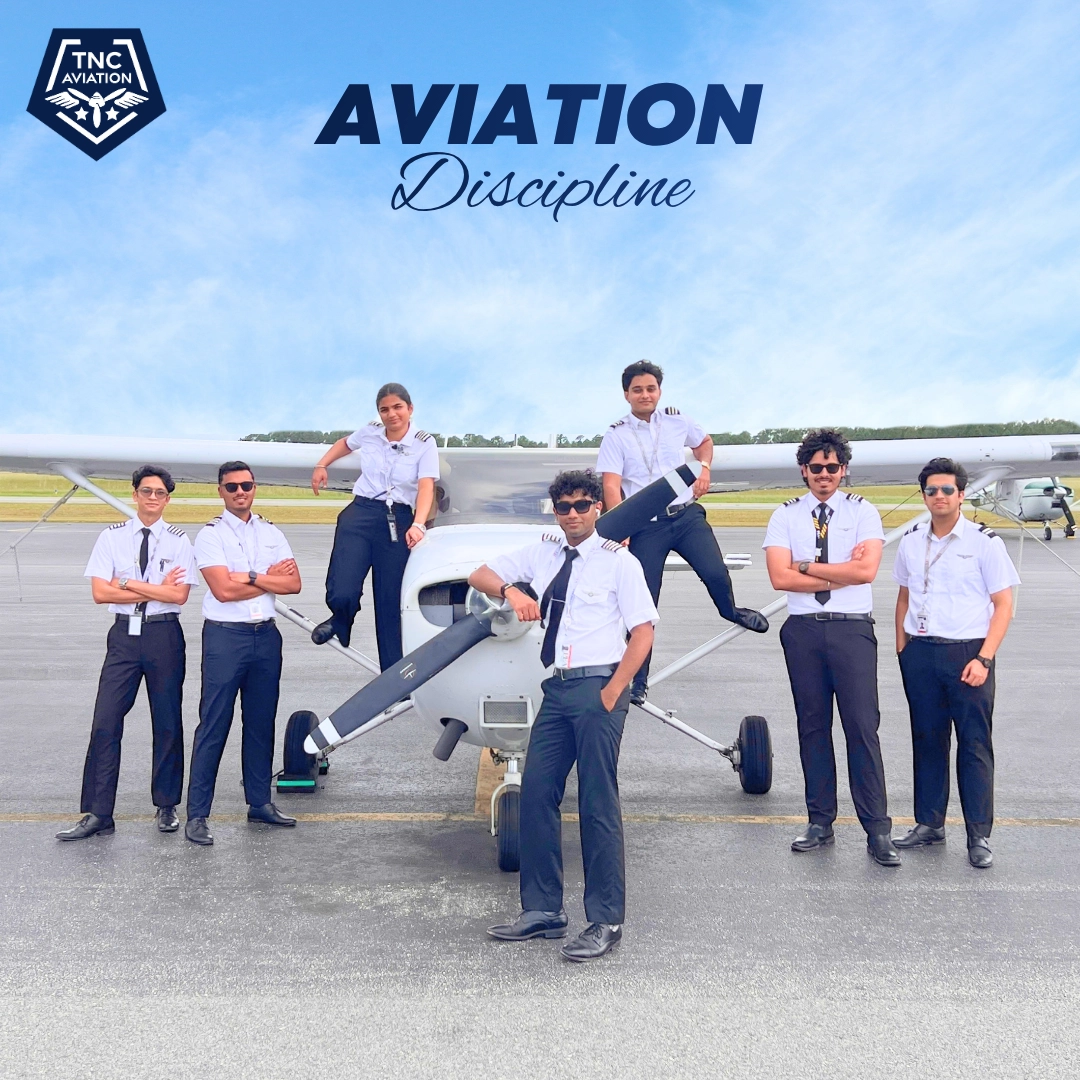
How Professional Flight Schools Build Aviation Discipline from Day One
Becoming a professional pilot involves much more than learning how to fly an aircraft. Airlines expect pilots to demonstrate discipline, professionalism, sound decision-making, and a strong commitment to safety throughout their careers.
That is why professional flight schools begin developing aviation discipline from the very first day of training. Every lesson, briefing, and flight session is designed to help students build habits that will support them throughout their aviation careers.
Understanding how this discipline is developed can help aspiring pilots appreciate the importance of every stage of their training.
What Is Aviation Discipline?
Aviation discipline refers to consistently following established procedures, maintaining professionalism, making safe decisions, and taking responsibility for every aspect of flight operations.
It is reflected in how pilots:
- Prepare before every flight
- Follow standard operating procedures (SOPs)
- Communicate with instructors and air traffic control
- Respond to unexpected situations
- Continue learning throughout their careers
Aviation discipline is developed through daily practice rather than a single training session.
Why Is Discipline So Important in Aviation?
Commercial aviation operates within highly structured systems where safety is the highest priority. Even small deviations from procedures can affect operational safety.
Professional discipline helps pilots:
- Make informed decisions
- Reduce avoidable errors
- Follow standard procedures consistently
- Communicate effectively
- Build trust within flight operations
These qualities are valued throughout the aviation industry.
1. Structured Daily Training
Professional flight schools follow organised training schedules that encourage consistency.
Students are expected to:
- Arrive on time
- Prepare before each lesson
- Complete assigned study material
- Participate actively during briefings
- Review lessons after training
Developing these habits early prepares students for professional airline environments.
2. Following Standard Operating Procedures (SOPs)
From the beginning of training, students learn the importance of following established procedures.
This includes:
- Pre-flight inspections
- Aircraft checklists
- Taxi procedures
- Take-off and landing procedures
- Emergency protocols
Following SOPs consistently helps students develop disciplined flying habits.
3. Emphasis on Safety Culture
Safety is introduced as a mindset rather than a checklist.
Throughout training, students learn to:
- Assess risks before flights
- Recognise operational limitations
- Report safety concerns
- Make conservative decisions when necessary
A strong safety culture becomes part of a pilot’s everyday thinking.
4. Accountability and Responsibility
Professional pilots are responsible for every stage of flight preparation.
Flight schools encourage students to take ownership of:
- Flight planning
- Weather briefings
- Aircraft documentation
- Personal preparation
- Post-flight reviews
Accepting responsibility is an important part of becoming a professional aviator.
5. Building Effective Communication Skills
Clear communication is essential throughout pilot training.
Students continuously develop their ability to communicate with:
- Flight instructors
- Air traffic control
- Fellow students
- Ground personnel
Professional communication includes:
- Standard aviation phraseology
- Active listening
- Clear instructions
- Calm communication under pressure
These skills support both flight safety and future airline careers.
6. Learning Through Briefings and Debriefings
Every flight lesson usually begins with a briefing and concludes with a debriefing.
Briefings help students understand:
- Lesson objectives
- Flight procedures
- Safety considerations
- Expected learning outcomes
Debriefings allow instructors to discuss:
- Strengths demonstrated during the lesson
- Areas requiring improvement
- Lessons learned
- Action points for future flights
This process encourages continuous improvement.
7. Developing Professional Decision-Making
Throughout training, students encounter situations that require careful judgement.
They learn to:
- Analyse changing situations
- Evaluate available options
- Manage workload effectively
- Prioritise safety
- Make informed operational decisions
Developing sound judgement is a key aspect of aviation discipline.
8. Respecting Time and Preparation
Professional aviation operates according to carefully planned schedules.
Flight schools encourage students to:
- Arrive prepared
- Complete pre-flight planning
- Organise study material
- Respect training timelines
- Maintain consistency
Time management becomes an important professional habit.
9. Accepting Feedback Positively
Constructive feedback is an essential part of pilot training.
Students are encouraged to:
- Listen carefully
- Ask questions
- Learn from mistakes
- Apply instructor recommendations
- Focus on continuous improvement
Professional growth depends on the willingness to learn throughout one’s career.
10. Building Habits That Last Beyond Training
The discipline developed during flight school extends well beyond obtaining a licence.
These habits continue to support pilots throughout:
- Aircraft type rating
- Airline assessments
- Simulator evaluations
- Airline operations
- Recurrent training
Professional discipline remains a lifelong requirement in aviation.
Common Mistakes Students Should Avoid
– Treating Flight Training Like a Regular Classroom Course
Pilot training requires continuous preparation, discipline, and practical application.
– Ignoring Standard Procedures
Consistency is more important than shortcuts.
– Arriving Unprepared
Every lesson builds upon previous learning, making preparation essential.
– Focusing Only on Flying Skills
Professional pilots also require communication, decision-making, teamwork, and professionalism.
– Resisting Constructive Feedback
Improvement comes from learning and applying instructor guidance consistently.
Skills Developed Through Aviation Discipline
Professional flight training helps students develop:
- Professional responsibility
- Safety awareness
- Decision-making ability
- Communication skills
- Time management
- Situational awareness
- Operational discipline
- Continuous learning habits
These qualities contribute to long-term success in aviation.
Important Clarification
Every flight school follows its own curriculum, operational procedures, and training philosophy while complying with the applicable aviation regulations.
The methods used to develop professional discipline may differ between institutions, but safety, professionalism, and procedural compliance remain fundamental aspects of quality flight training.
Students should always review the training approach and learning environment of their chosen flight school before enrolling.
Conclusion
Professional flight schools begin building aviation discipline from the first day because becoming an airline pilot requires much more than technical flying skills. Through structured training, safety-focused learning, standard operating procedures, and continuous feedback, students develop the professional habits expected throughout the aviation industry.
Aspiring pilots who embrace discipline early in their training are better prepared to handle the responsibilities of commercial aviation and build successful, long-term careers.
Why Choose TNC Aviation
If you are planning to begin your pilot training journey, TNC Aviation provides:
- Personalised career guidance for aspiring pilots
- Assistance in selecting suitable flight training pathways
- Support with documentation and pre-departure preparation
- Interview preparation and personality development
- Guidance aligned with international aviation training standards
At TNC Aviation, aspiring pilots receive structured guidance to prepare confidently for every stage of their aviation journey while developing the professionalism and discipline expected in the global aviation industry.
