

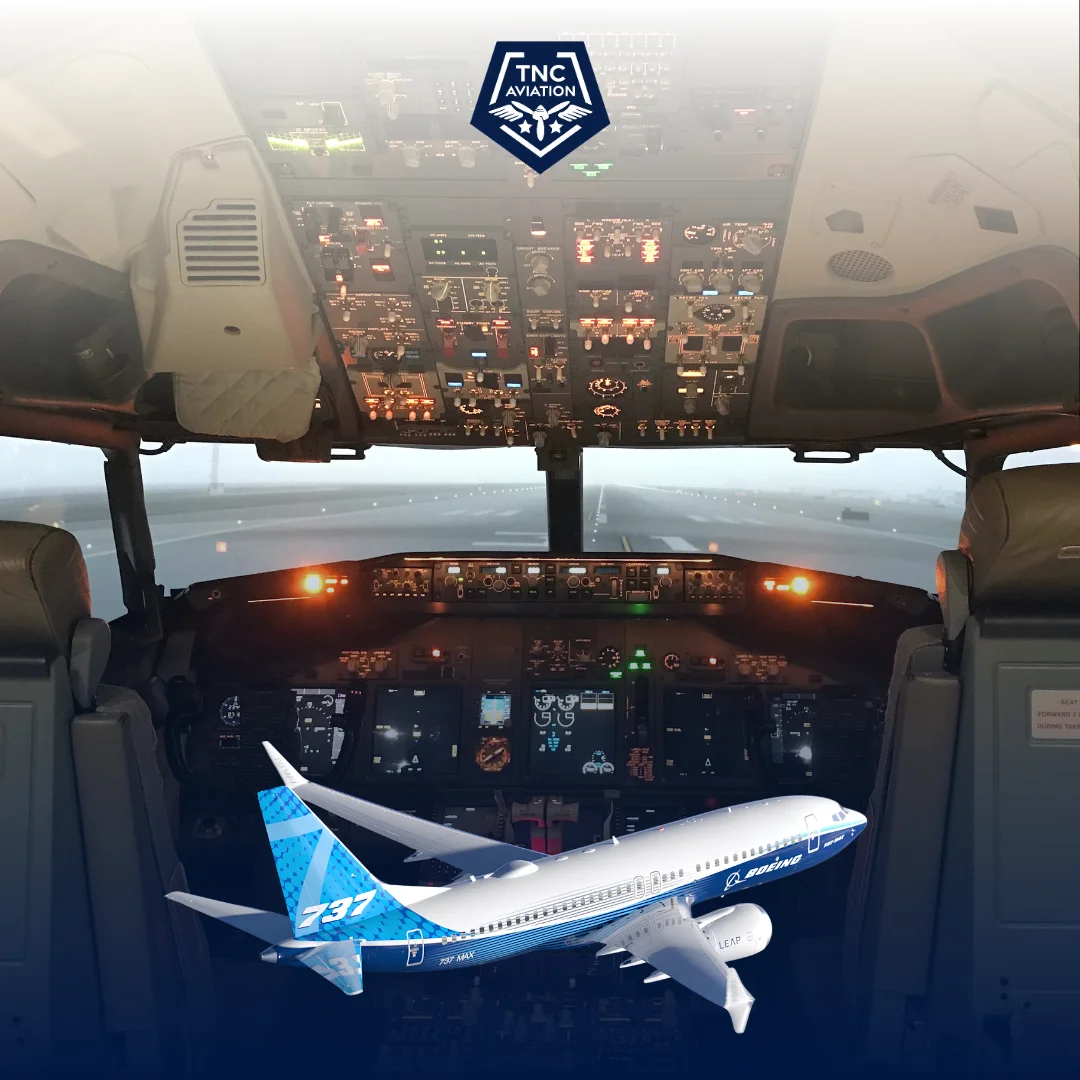
Boeing 737 Type Rating Course - Everything Aspiring Airline Pilots Should Know
For aspiring airline pilots, obtaining a Commercial Pilot License (CPL) is an important milestone. However, before operating commercial jet aircraft, pilots are generally required to complete an Aircraft Type Rating on the aircraft they intend to fly.
One of the most recognised aircraft types globally is the Boeing 737. Many aspiring pilots consider a Boeing 737 Type Rating because of its widespread use in airline operations.
If you are exploring this pathway, understanding the training process, eligibility requirements, and career scope can help you make informed decisions.
What Is Boeing 737 Type Rating?
Boeing 737 Type Rating is a specialised training program that qualifies pilots to operate Boeing 737 aircraft professionally.
The training focuses on aircraft-specific systems, procedures, simulator exercises, and airline-standard operations.
The Boeing 737 family includes variants such as:
- Boeing 737 Next Generation (NG)
- Boeing 737 MAX
Pilots must complete the required type rating before operating these aircraft commercially.
Why Is Boeing 737 Type Rating Important?
Every aircraft has unique operating procedures, systems, and performance characteristics.
Type rating ensures that pilots understand:
- Aircraft systems and limitations
- Standard operating procedures
- Emergency handling techniques
- Airline operational requirements
Why airlines value type-rated pilots:
- Improved operational readiness
- Familiarity with airline procedures
- Enhanced safety standards
Who Can Apply for Boeing 737 Type Rating?
The following is a non-exhaustive list of common eligibility requirements; however, these may vary depending on the training organisation and airline requirements:
- Valid Commercial Pilot License (CPL)
- Valid Class 1 Medical Certificate
- English language proficiency
- Instrument flying and multi-engine exposure (as applicable)
- Valid passport and supporting documents
Some training organisations may also conduct technical assessments before enrollment.
What Does the Boeing 737 Type Rating Course Include?
The course combines theoretical learning and simulator-based training.
Ground School Training
This phase builds technical knowledge of the aircraft.
Training typically includes:
- Boeing 737 aircraft systems
- Flight management systems (FMS)
- Aircraft performance and limitations
- Standard operating procedures (SOPs)
- Emergency procedures
What instructors focus on:
- Technical competence
- Procedural discipline
- Decision-making skills
Simulator Training
Simulator training is one of the most important components of type rating.
This includes:
- Normal flight operations
- Take-off and landing procedures
- Engine failure scenarios
- Adverse weather operations
- Emergency handling exercises
- Crew resource management (CRM)
Benefits of simulator training:
- Builds confidence in complex situations
- Develops cockpit coordination skills
- Enhances operational readiness
Skill Test and Certification
After completing training, pilots undergo evaluations and simulator assessments.
Assessment areas include:
- Technical knowledge
- Aircraft handling
- Standard operating procedures
- Communication and crew coordination
- Emergency response capability
Successful completion results in the Boeing 737 Type Rating endorsement.
Duration of Boeing 737 Type Rating Training
The duration can vary based on training schedules, simulator availability, and regulatory requirements.
Typically, training may take:
- Approximately 2 – 4 months
Training timelines can differ between training organisations.
Cost of Boeing 737 Type Rating
The cost of a Boeing 737 Type Rating program varies depending on several factors, including:
- Training organisation
- Simulator location
- Aircraft variant
- Additional training requirements
Before selecting a training provider, candidates should evaluate:
- Training quality
- Instructor experience
- Simulator standards
- Industry reputation
- Placement guidance and support
Choosing a program solely based on lower fees may not always be the best long-term decision.
Career Scope After Boeing 737 Type Rating
After obtaining Boeing 737 Type Rating, pilots may become eligible to apply for opportunities such as:
- First Officer roles
- Airline cadet pathways
- Junior airline operational positions
What airlines evaluate:
- Technical competence
- Simulator performance
- Communication skills
- Professional attitude and discipline
Type rating strengthens a pilot’s profile, but final selection depends on airline recruitment requirements.
Common Mistakes Students Make
1. Selecting a Course Based Only on Cost
Training quality should be a priority when evaluating type rating programs.
2. Ignoring Technical Preparation
Strong theoretical knowledge is essential for successful simulator performance.
3. Assuming Type Rating Guarantees a Job
Type rating improves employability, but airline recruitment involves additional assessments and interviews.
4. Neglecting Communication and Professional Skills
Airlines evaluate overall readiness, including professionalism, confidence, and presence of mind.
Important Clarification
Completing a Boeing 737 Type Rating does not automatically guarantee airline placement or immediate hiring.
Final selection depends on multiple factors, including:
- Airline hiring requirements
- Market demand
- Technical assessments
- Interview performance
- Overall candidate profile
Candidates should view type rating as a critical professional qualification rather than a guaranteed pathway to employment.
Conclusion
The Boeing 737 Type Rating Course is an important step for aspiring pilots aiming to operate one of the world’s most widely used commercial aircraft.
A strong combination of technical preparation, simulator proficiency, communication skills, and professional discipline can significantly improve a pilot’s readiness for airline opportunities.
Understanding the complete training process before enrollment allows aspiring pilots to make informed career decisions and prepare effectively for the aviation industry.
Why Choose TNC Aviation
If you want guidance throughout your aviation journey, TNC Aviation provides:
- Career guidance for aspiring pilots
- Aviation-focused mentoring and preparation
- Personality development and interview support
- Guidance aligned with airline recruitment expectations
At TNC Aviation, students are guided to prepare professionally for every stage of their aviation careers and future airline opportunities.
