

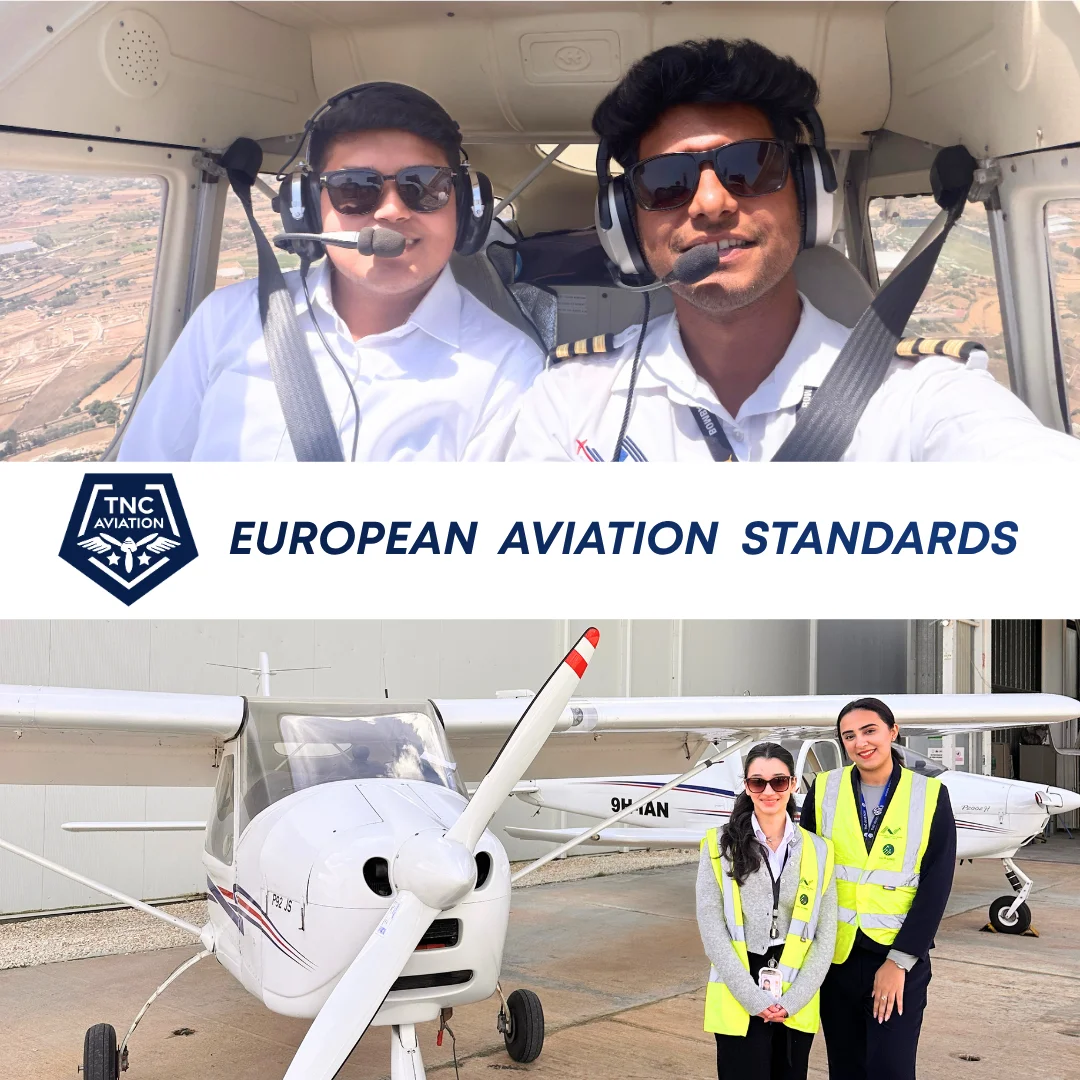
How European Aviation Standards Shape Better Commercial Pilots
The quality of pilot training plays a significant role in shaping a pilot’s future career. While technical flying skills are essential, modern aviation also demands professionalism, discipline, decision-making ability, communication skills, and a strong commitment to safety.
European aviation training is widely respected for its structured approach to pilot development. Many aspiring pilots choose European flight training pathways because of the emphasis placed on safety, operational procedures, professionalism, and real-world aviation readiness.
Understanding how European aviation standards contribute to pilot development can help aspiring aviators make informed training decisions.
What Are European Aviation Standards?
European flight training is generally conducted under regulations established by the European Union Aviation Safety Agency (EASA) and relevant national aviation authorities.
These standards are designed to promote:
- Aviation safety
- Structured pilot training
- Operational consistency
- Professional development
- Regulatory compliance
The exact training structure varies between flight schools and countries, but the focus on professionalism and safety remains consistent across European aviation training environments.
1. Strong Emphasis on Safety Culture
One of the most respected aspects of European aviation training is its safety-first approach.
From the beginning of training, students learn that safety is not simply a checklist but a mindset that influences every decision.
Students are encouraged to:
- Identify operational risks
- Follow established procedures
- Assess weather conditions carefully
- Prioritise safety over convenience
- Develop responsible decision-making habits
These principles become part of a pilot’s professional foundation.
2. Structured and Progressive Training
European flight training programmes are designed to follow a structured progression.
Students gradually advance through stages such as:
- Ground school
- Basic flight training
- Navigation exercises
- Instrument flying
- Advanced flight operations
- Commercial pilot preparation
This systematic approach allows students to build skills progressively while developing confidence and competence.
3. Development of Professional Discipline
Commercial aviation requires consistency and discipline.
European training environments encourage students to develop habits such as:
- Arriving prepared for lessons
- Following Standard Operating Procedures (SOPs)
- Maintaining accurate documentation
- Respecting operational timelines
- Demonstrating professionalism at all times
These habits closely align with the expectations of commercial airlines.
4. Focus on Decision-Making Skills
Modern pilots are expected to make informed decisions in dynamic environments.
Throughout training, students are encouraged to develop:
- Situational awareness
- Risk assessment skills
- Problem-solving ability
- Workload management
- Sound judgement
Rather than simply learning how to fly, students learn how to think like professional pilots.
5. High Standards of Communication
Communication plays a vital role in aviation safety and efficiency.
European flight training places significant importance on:
- Radio communication
- Standard aviation phraseology
- Crew coordination
- Professional interaction
- Clear and concise communication
Strong communication skills help pilots operate effectively in international aviation environments.
6. Exposure to Diverse Operational Conditions
Depending on the training location and programme, students may gain experience operating in various environments.
This may include:
- Controlled and uncontrolled airports
- Different airspace classifications
- International procedures
- Diverse weather conditions
- Cross-country operations
Exposure to varied operating conditions helps students become adaptable and confident pilots.
7. Building Situational Awareness
Situational awareness is one of the most important qualities of a professional pilot.
European training programmes encourage students to continuously monitor:
- Aircraft performance
- Weather conditions
- Air traffic
- Flight progress
- Operational changes
Developing this awareness helps students make safer and more effective decisions during flight operations.
8. Emphasis on Human Factors and Crew Resource Management
Commercial aviation relies heavily on teamwork and effective communication.
Students are introduced to concepts such as:
- Crew Resource Management (CRM)
- Human performance limitations
- Workload management
- Error prevention
- Leadership and teamwork
These skills become increasingly important as pilots transition towards airline operations.
9. Preparation for Professional Aviation Careers
European aviation training focuses on preparing students for long-term careers rather than simply helping them obtain a licence.
Students develop competencies in:
- Professional conduct
- Operational discipline
- Communication
- Decision-making
- Safety management
These qualities are highly valued throughout the aviation industry.
Skills Students Develop Through European Aviation Training
European aviation training helps students strengthen:
- Flight planning skills
- Safety awareness
- Radio communication
- Situational awareness
- Decision-making ability
- Professional discipline
- Crew coordination
- Operational responsibility
These skills contribute to long-term success as a commercial pilot.
Important Clarification
Training standards, operational procedures, facilities, and learning environments may vary between countries, flight schools, and training programmes.
Students should always review the curriculum, regulatory framework, training philosophy, and support systems of their chosen flight school before enrolling.
Conclusion
European aviation standards have earned global respect because they focus on developing well-rounded aviation professionals rather than simply teaching students how to fly. Through structured training, strong safety culture, professional discipline, communication development, and operational awareness, students are prepared for the demands of modern commercial aviation.
For aspiring pilots, training within a structured and safety-focused environment can play an important role in building the knowledge, confidence, and professionalism required for a successful aviation career.
Why Choose TNC Aviation
If you are exploring international pilot training opportunities, TNC Aviation provides:
- Personalised career guidance for aspiring pilots
- Assistance in selecting suitable international flight training pathways
- Support with documentation and admission guidance
- Interview preparation and personality development
- Guidance aligned with international aviation training standards
At TNC Aviation, aspiring pilots receive structured guidance to make informed training decisions and confidently prepare for every stage of their aviation journey, from student pilot to professional airline career.
