

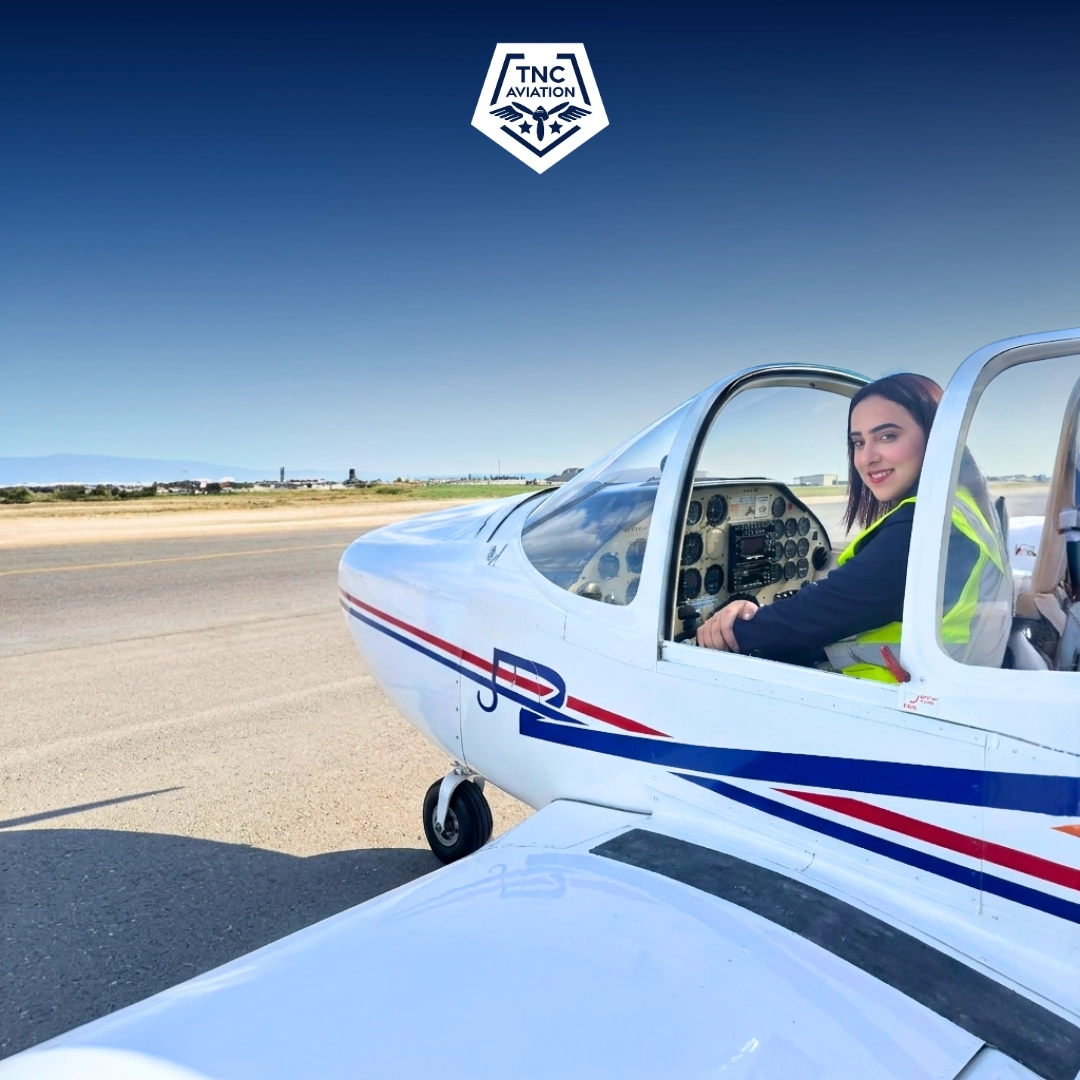
Instructor Experience in Europe: Why It Matters More Than You Think
Aircraft and infrastructure impact pilot training, but it’s instructors that determine everything.
The type of experience, cadre and operational approach that an instructor brings will have a direct impact not only on the technical competence of the student, but also the behaviours within the cockpit, safety culture, and the long term success of the student.
European flight schools sustain high-quality instructional standards through well-defined qualification processes, continuous assessments of performance, and oversight from regulatory authorities.
Instructors in these schools often come from either an airline, military or advanced commercial aviation background giving them the ability to provide instructional content beyond just the technical application of maneuvers, but also the ability to teach real-world operational decision-making.
In addition to the above mentioned attributes, instructor training in Europe places a big emphasis on:
- Human factors as they pertain to safety and performance
- CRM and how to incorporate it into aircraft training
- Coaching using scenario-based training methods
- Providing performance-related feedback
This training methodology is designed to enable students to not only successfully complete their checkrides, but to be able to perform as a result of the timely management of multiple tasks in high-pressure situations and maintain a high-level of human interactions with others.
At TNC Aviation we put as much effort into our instructor’s quality as we do into our infrastructure because pilots do not only learn to pilot an aircraft by flying the aircraft, they also learn from the people they fly with.
