

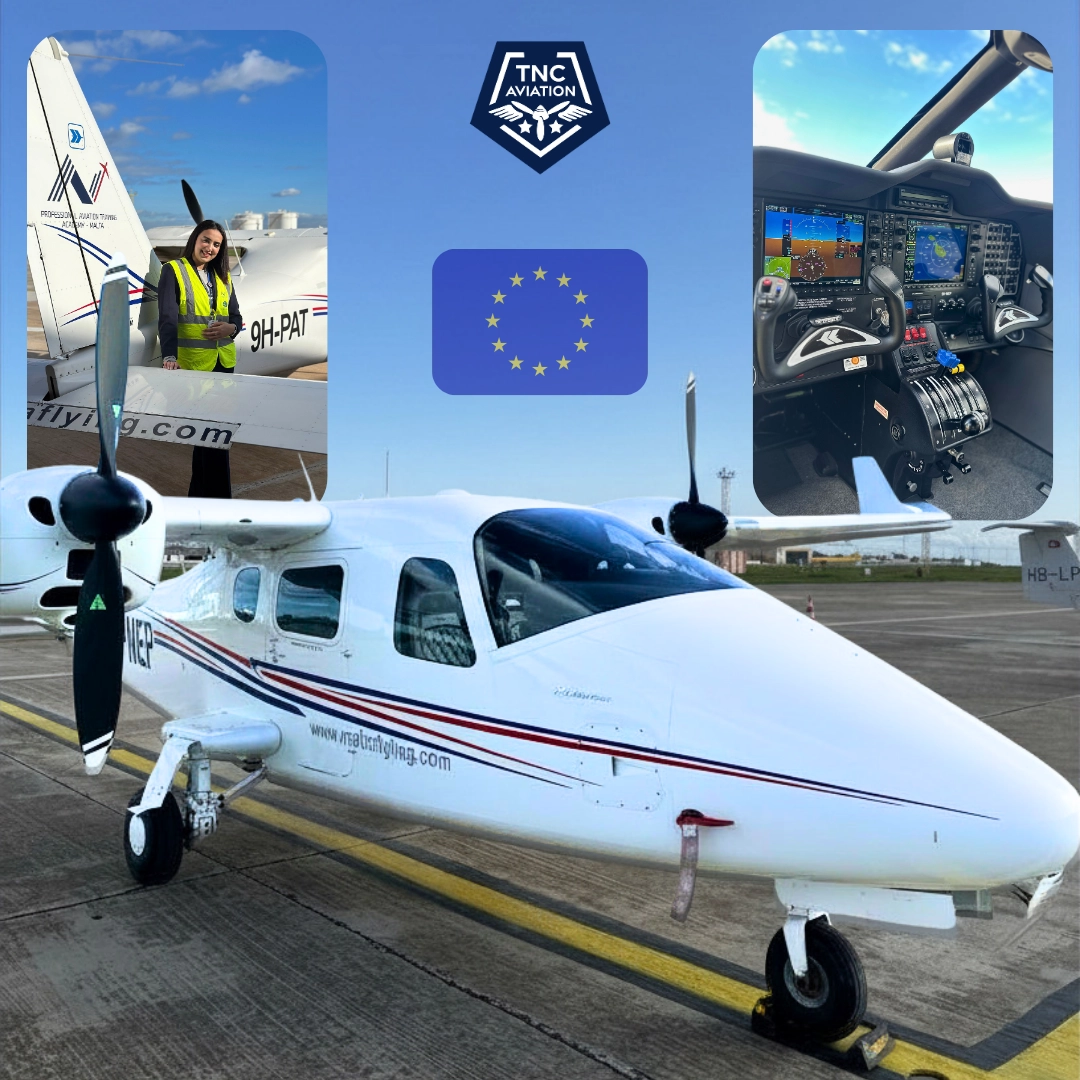
Integrated vs Modular Pilot Training: Which One Is Right for You?
Selecting the appropriate route in pilot training is the most significant step an aspiring aviator can take in his or her career. Although integrated and modular training are the two primary methods available today, they each provide unique advantages depending on the student’s past experience, preferred learning style, and career aspirations.
Integrated training is structured as a continuous progression through closely correlated trip dimension(s) and, therefore, has less disruption in giving students an immersive learning experience with fast-track timelines and airline-connected training flow. This type of integrated model usually appeals to those candidates who prefer continuity and rigid academic structure with a fast-tracked pathway toward obtaining their Commercial Pilot license.
Conversely, modular training provides students with increased flexibility by allowing them to complete the individual training segments at their own pace, enabling academic, financial, or geographical flexibility. Modular training is suited for students needing scheduling flexibility while still meeting the full regulatory training requirement(s).
Both integrated and modular training follow applicable EASA regulations and requirements in Europe. Therefore, both provide the same level of training standard, safety oversight, and globally recognized licensing.
At TNC Aviation, each student is evaluated based on individual circumstances related to their academic background, budgetary constraints, pace of learning, and ultimate goals in airline employment to determine the path that is best for the individual student.
