

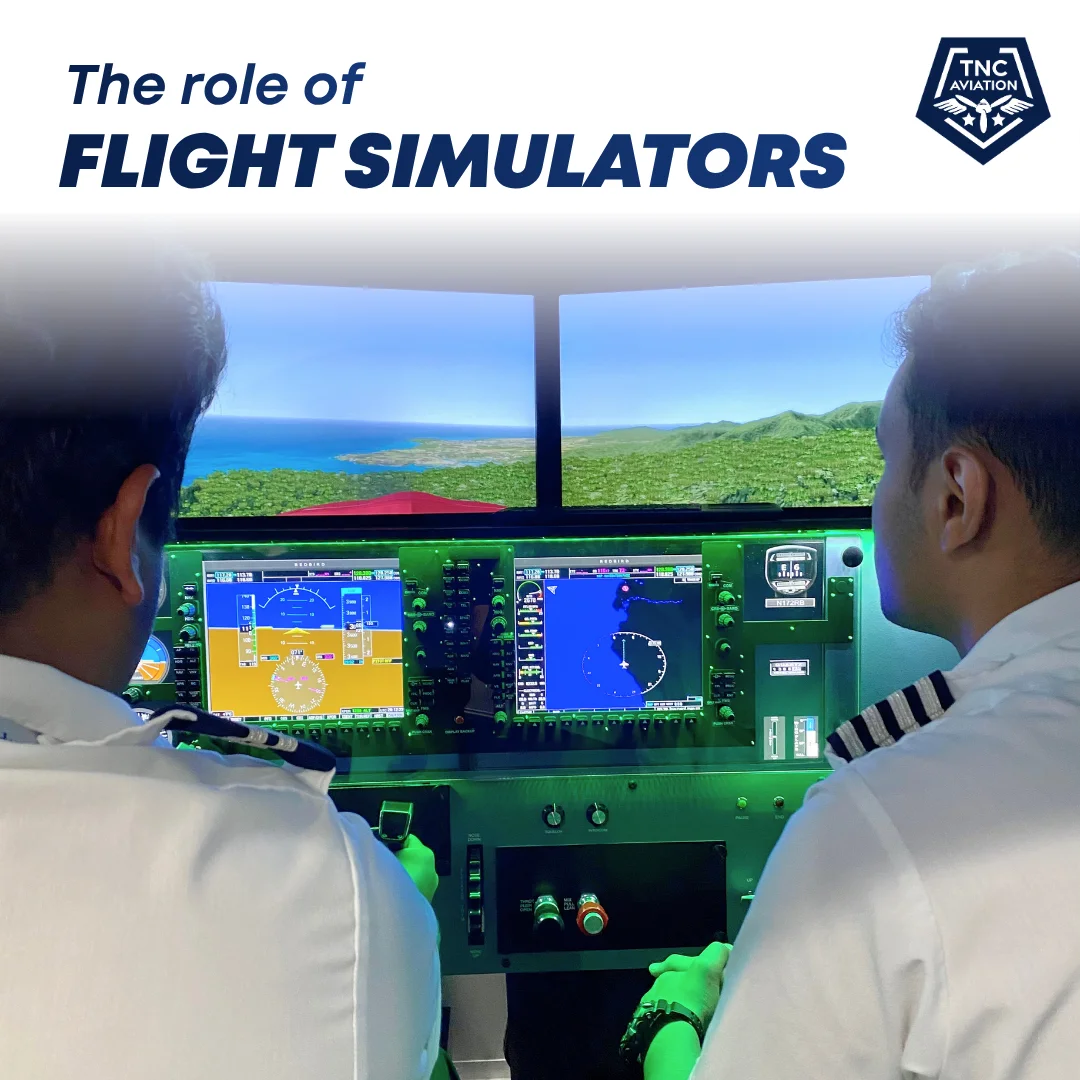
The Role of Flight Simulators in Modern Pilot Training
Modern pilot training is a combination of theoretical learning, practical flying, and simulator-based instruction. While flying an actual aircraft remains an essential part of becoming a pilot, flight simulators have become one of the most valuable tools in aviation training.
Flight simulators allow aspiring pilots to develop technical skills, improve decision-making, and practise complex scenarios in a controlled environment before applying those skills in an aircraft.
Understanding the role of simulator training helps students appreciate why it has become an integral part of modern aviation education.
What Is a Flight Simulator?
A flight simulator is an advanced training system designed to replicate the cockpit environment, aircraft systems, and flight behaviour of a specific aircraft.
Depending on the type of simulator, students can practise:
- Aircraft operations
- Flight procedures
- Navigation
- Communication
- Emergency handling
- Instrument flying
Simulator training complements practical flight lessons and helps students prepare for real-world operations.
Why Are Flight Simulators Important?
Flying involves situations that cannot always be safely recreated in an actual aircraft, especially during the early stages of training.
Flight simulators provide a safe environment where students can:
- Learn new procedures
- Make mistakes without compromising safety
- Practise repeatedly
- Build confidence before flying
This allows students to develop important skills progressively.
1. Safe Environment for Learning
One of the greatest advantages of simulator training is safety.
Students can experience complex flight situations without exposing themselves, instructors, or aircraft to unnecessary risk.
Examples include:
- Engine failures
- System malfunctions
- Instrument failures
- Severe weather scenarios
- Emergency landings
Repeated practice helps students develop confidence and improve their responses under pressure.
2. Builds Confidence Before Flying
Many student pilots feel nervous during their initial flight lessons.
Simulator sessions help students become familiar with cockpit procedures before entering an aircraft.
Students gain confidence in:
- Aircraft controls
- Checklist usage
- Radio communication
- Flight sequences
- Basic manoeuvres
This often makes the transition to practical flying smoother.
3. Improves Emergency Handling Skills
Emergency preparedness is an essential part of pilot training.
During simulator sessions, instructors can introduce situations such as:
- Engine failure after take-off
- Electrical failures
- Hydraulic system issues
- Navigation equipment malfunction
- Weather-related emergencies
Students learn to remain calm, analyse situations, and follow standard operating procedures.
4. Strengthens Decision-Making Ability
Pilots make important decisions throughout every flight.
Simulator training helps students develop:
- Situational awareness
- Risk assessment
- Aeronautical decision-making
- Prioritisation under pressure
These skills become increasingly valuable as students progress through their training.
5. Enhances Instrument Flying Skills
Instrument flying requires pilots to rely on cockpit instruments rather than outside visual references.
Simulator training allows students to practise:
- Instrument navigation
- Instrument approaches
- Holding procedures
- Flight management
- Precision flying
This builds confidence before performing similar procedures in actual flight conditions.
6. Reinforces Standard Operating Procedures (SOPs)
Professional pilots follow standard operating procedures throughout every flight.
Simulator sessions reinforce:
- Checklist discipline
- Cockpit coordination
- Standard communication
- Flight planning procedures
- Operational consistency
Developing these habits early prepares students for airline environments.
7. Supports Crew Resource Management (CRM)
Commercial aviation relies on effective teamwork.
Many simulator sessions include Crew Resource Management (CRM) exercises that help students develop:
- Communication skills
- Team coordination
- Leadership
- Workload management
- Problem-solving
These are important qualities for future airline pilots.
8. Allows Repetitive Practice
Certain flight scenarios occur infrequently during actual flying.
Simulators allow students to repeat these situations multiple times until they become comfortable with the required procedures.
Examples include:
- Crosswind landings
- Go-around procedures
- Emergency checklists
- Abnormal system operations
Repeated practice improves confidence and consistency.
How Flight Simulators Complement Practical Flying
Simulator training is designed to support—not replace—actual flight training.
Together, they help students develop:
- Technical knowledge
- Flying skills
- Operational discipline
- Communication
- Professional decision-making
Both forms of training are important components of becoming a competent pilot.
Skills Students Develop Through Simulator Training
Simulator sessions contribute to the development of:
- Aircraft handling techniques
- Communication skills
- Situational awareness
- Decision-making ability
- Emergency response
- Crew coordination
- Time management
- Professional discipline
These skills support both flight training and future airline careers.
Common Misconceptions About Flight Simulators
“Simulator Training Replaces Real Flying”
Flight simulators are an important training tool but cannot replace actual flight experience.
Students must still complete the practical flight training and flight experience required by the relevant aviation authority.
“Simulators Are Only for Airline Pilots”
Simulator training benefits pilots at every stage of their journey, including student pilots, private pilots, commercial pilot trainees, and experienced airline pilots.
“Simulator Sessions Are Easier Than Flying”
Simulator exercises often involve complex scenarios designed to challenge a pilot’s technical knowledge, communication, and decision-making abilities.
They are structured learning experiences that require focus and discipline.
Tips for Students to Maximise Simulator Training
Students can make simulator sessions more effective by:
- Revising aircraft systems beforehand
- Understanding the lesson objectives
- Treating every session like a real flight
- Following standard operating procedures
- Asking instructors for feedback
- Reviewing mistakes after each session
- Practising communication throughout the exercise
Preparation helps students gain greater value from each simulator lesson.
Important Clarification
The type, duration, and use of simulator training vary depending on the flight school, training programme, aircraft type, and applicable aviation regulations.
Students should always understand how simulator training is integrated into the curriculum of their chosen flight school before enrolling.
Conclusion
Flight simulators have become an essential part of modern pilot training by providing students with a safe, structured, and practical environment to develop technical skills and professional confidence.
From emergency handling and instrument flying to communication and decision-making, simulator training prepares aspiring pilots for the challenges of real-world aviation while complementing practical flight experience.
Combined with quality instruction, consistent practice, and disciplined learning, simulator training plays a significant role in building competent and confident professional pilots.
Why Choose TNC Aviation
If you are planning to pursue professional pilot training, TNC Aviation provides:
- Personalised career guidance for aspiring pilots
- Assistance in selecting suitable flight training pathways
- Support with documentation and pre-departure preparation
- Interview preparation and personality development
- Guidance aligned with international aviation training standards
At TNC Aviation, aspiring pilots receive structured guidance to understand every stage of pilot training and prepare confidently for a successful career in aviation.
