

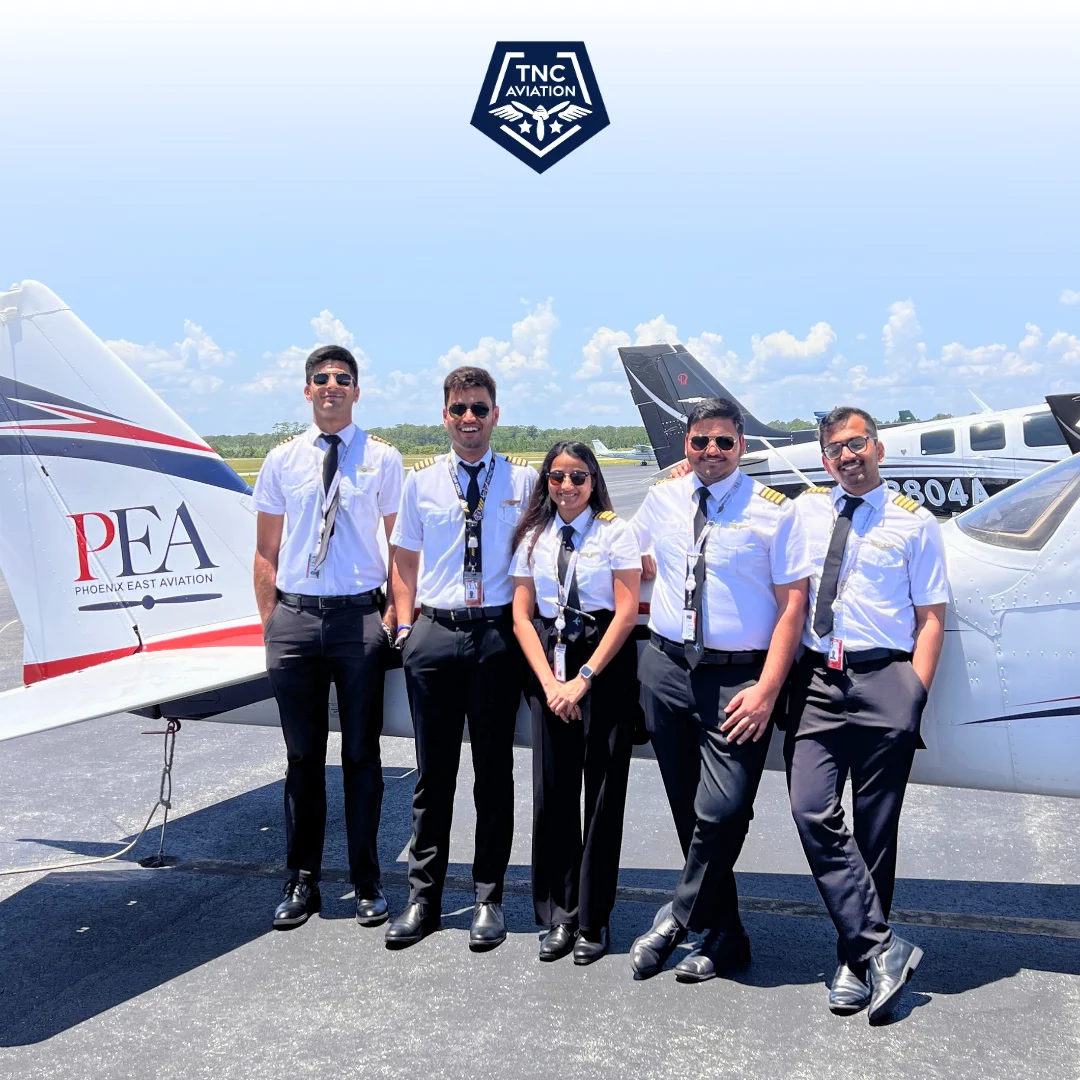
The Complete Journey from Student Pilot to CPL at Phoenix East Aviation
Becoming a commercial pilot is a journey that combines theoretical knowledge, practical flying skills, discipline, and continuous learning. For many Indian students, training in the United States offers access to modern aircraft, structured flight programs, and exposure to diverse flying conditions.
One of the flight training academies that Indian students often consider is Phoenix East Aviation (PEA). Understanding the complete journey – from enrolling as a student pilot to earning a Commercial Pilot License (CPL) – can help aspiring pilots prepare with confidence and realistic expectations.
Step 1: Meet the Eligibility Requirements
Before beginning flight training, students must satisfy the admission requirements of their chosen flight school.
The following is a non-exhaustive list of common eligibility criteria; however, these may vary depending on the training organisation and applicable aviation regulations:
Completion of 10+2 (Physics and Mathematics or equivalent eligibility as applicable)
Valid passport
Student visa and supporting documentation
Medical fitness as required for the training programme
English language proficiency
Students should always verify the latest admission requirements directly with the flight school before applying.
Step 2: Complete the Admission and Documentation Process
Once eligibility is confirmed, students begin the admission process.
This generally involves:
Application submission
Verification of educational documents
Passport and visa processing
Admission confirmation
Financial documentation, where applicable
Pre-departure planning
Preparing documents well in advance helps ensure a smoother transition to the USA.
Step 3: Begin Ground School Training
Ground school forms the academic foundation of pilot training.
Students learn the theoretical concepts that support safe and effective flight operations.
Subjects generally include:
Principles of flight
Aircraft systems
Aviation meteorology
Air navigation
Air regulations
Flight planning
Aircraft performance
Human factors
Strong theoretical knowledge makes practical flight training more effective.
Step 4: Start Flight Training
After completing the required ground school components, students begin practical flight training under the supervision of certified flight instructors.
Training generally progresses through:
Aircraft familiarisation
Pre-flight inspections
Taxi procedures
Basic aircraft handling
Take-offs and landings
Navigation exercises
Emergency procedures
Each stage builds confidence while reinforcing classroom learning.
Step 5: Build Flight Experience
As students gain experience, they continue developing the skills required for commercial flying.
Training typically includes:
Solo flying
Cross-country flights
Night flying (where applicable)
Instrument flying
Advanced flight maneuvers
The required flight experience depends on the licensing requirements applicable to the training programme.
Step 6: Develop Professional Skills
Successful airline pilots require more than technical flying ability.
Throughout training, students should focus on developing:
Professional communication
Decision-making skills
Situational awareness
Time management
Discipline and consistency
Crew coordination
These qualities support both flight training and future airline recruitment.
Step 7: Prepare for Commercial Pilot Licence (CPL) Requirements
As students approach the final stages of training, they work towards meeting the requirements for obtaining a Commercial Pilot License.
This generally includes:
Completion of the required flight training syllabus
Required flight experience
Ground school completion
Practical flight assessments
Knowledge examinations, as applicable
Medical compliance
The exact requirements depend on the aviation authority under which the license is being issued.
Step 8: Skill Test and License Issuance
Before receiving a CPL, students undergo practical evaluations to demonstrate their flying competence.
Assessment areas typically include:
Aircraft handling
Navigation
Emergency procedures
Decision-making
Communication
Flight planning
Candidates who successfully meet all licensing requirements become eligible for the issuance of their Commercial Pilot License.
Transitioning Towards an Airline Career
Obtaining a CPL is a significant achievement, but it is one step in the journey towards becoming an airline pilot.
Depending on career goals, many pilots may continue with:
Aircraft Type Rating
Airline assessment preparation
Simulator training
Airline interviews
Professional development programmes
Preparing for these stages early can help students transition more smoothly into airline recruitment.
Common Challenges Students Face
Adapting to a New Learning Environment
Training in another country requires flexibility and a willingness to learn.
Managing Time Effectively
Balancing ground school, flight lessons, and self-study requires discipline.
Maintaining Consistent Performance
Pilot training demands steady progress rather than short bursts of preparation.
Strengthening Communication Skills
Clear communication remains an important part of both training and future airline careers.
Tips for Success During Pilot Training
Students can make their training journey more effective by:
Revising theoretical concepts regularly
Preparing thoroughly before every flight lesson
Asking instructors for feedback
Maintaining organised study notes
Developing disciplined study habits
Staying physically and mentally fit
Focusing on continuous improvement
Consistency is often one of the biggest contributors to long-term success.
Important Clarification
Every flight school follows its own training schedule, curriculum, and operational procedures. Similarly, licensing requirements may vary depending on the aviation authority under which the training is conducted.
Students should always verify the latest admission requirements, licensing procedures, and training standards with their chosen flight school before enrolling.
Conclusion
The journey from student pilot to Commercial Pilot License requires dedication, discipline, technical knowledge, and continuous practical learning. Each stage – from ground school and flight training to license issuance – builds the skills required for a professional aviation career.
Students who remain committed to learning, communicate effectively, and prepare consistently are better positioned for future airline opportunities.
Why Choose TNC Aviation
If you are planning to pursue your CPL training at Phoenix East Aviation or another international flight school, TNC Aviation provides:
Personalised career guidance for aspiring pilots
Support in selecting the right international flight training pathway
Assistance with documentation and pre-departure preparation
Interview preparation and personality development
Guidance aligned with international aviation training standards
At TNC Aviation, aspiring pilots receive structured guidance to confidently progress from student pilot to Commercial Pilot License and prepare for a successful career in aviation.
