

How to Become a Pilot in India: Global Exposure with World-Class Pilot Training
The aviation sector is now experiencing unprecedented expansion, and numerous candidates are trying to learn how to become a pilot in India with the accelerated pace of growth. The journey to becoming a pilot was once only about gathering flight hours, but now it also requires an organised pilot training regime that is aligned globally and will prepare the aspiring aviator for airline operations all over the world.
TNC Aviation provides an exceptionally distinct training methodology by providing students with unique access to advanced pilot training through a combination of strong aviation partnerships around the world and a strong mentorship program within India. This allows students to have the opportunity for both local and international advanced pilot training and develop the technical knowledge, the operational discipline, and the global experience necessary to thrive in modern aviation.
The New Standard of Pilot Training in India
The advancement of pilot training programs in India is now closely aligned with international standards for aviation. Airlines, therefore, anticipate that their staff will have received pilot training conducted in a manner that will assist them in adapting to current, real-world situations in the airline industry.
Today’s pilot also needs to be well-versed in:
- International airspace systems
- Advanced cockpit automation and trust-based use of that automation
- How to quickly make sound decisions under heavy pressure
- Know the globally accepted standards for safety in aviation
TNC Aviation is committed to providing students with the necessary skills, confidence, and technical ability that will allow them to pursue successful careers in international aviation.
Pilot Training with Global Opportunities
The most common pathway for Indian students to become commercial airline pilots is by obtaining a Commercial Pilot Licence (CPL) issued by the Directorate General of Civil Aviation (DGCA), India. However, in recent years, many aspiring pilots have increasingly chosen to complete part of their training abroad. Training in international aviation environments allows students to gain exposure to different airspace systems, diverse flying conditions, and global aviation procedures, helping them develop broader operational experience and stronger adaptability for modern airline careers.
TNC Aviation has developed a program that provides various resources and assistance to help students through the entire transition from student pilot to airline pilot. This includes:
- Providing guidance on DGCA-compliant pilot training programs
- Providing structured CPL training programs
- Providing support in the conversion of licenses and certifications
- Assisting with regulatory compliance
This will ensure that students will successfully transition from a student pilot to being a professional airline pilot.
Global Pilot Training Opportunities
Students receive their aviation training at international aviation academies through TNC Aviation’s global partner network because aviation is a worldwide industry. As an example of this type of aviation academy, TNC Aviation has partnered with some of the best-known aviation academies in the world.
Pilot Training in the United States with Phoenix East Aviation (PEA)
Through its global partnerships, TNC Aviation offers students the opportunity to pursue flight training in the United States with Phoenix East Aviation (PEA), a nationally accredited flight school with over 50 years of aviation training excellence.
Key highlights of Phoenix East Aviation:
3 Training Locations in Florida
- Daytona Beach International Airport (Main Campus)
- Flagler Beach (Accelerated training facility)
- Modern Fleet of 70+ Aircraft
- Cessna 172 for primary training
- Piper PA-34 for multi-engine training
- Super Decathlon for specialised upset recovery training
International Student Friendly
- One of the few U.S. flight schools authorised to issue F-1 visas for international students
Global Training Exposure
- Experience flying in U.S. airspace
- Structured international flight training programs
- Professional instructor-led training
This partnership enables students to gain international aviation exposure, strong technical flying skills, and the operational experience required for modern airline careers.
EASA Pilot Training in Europe – Malta
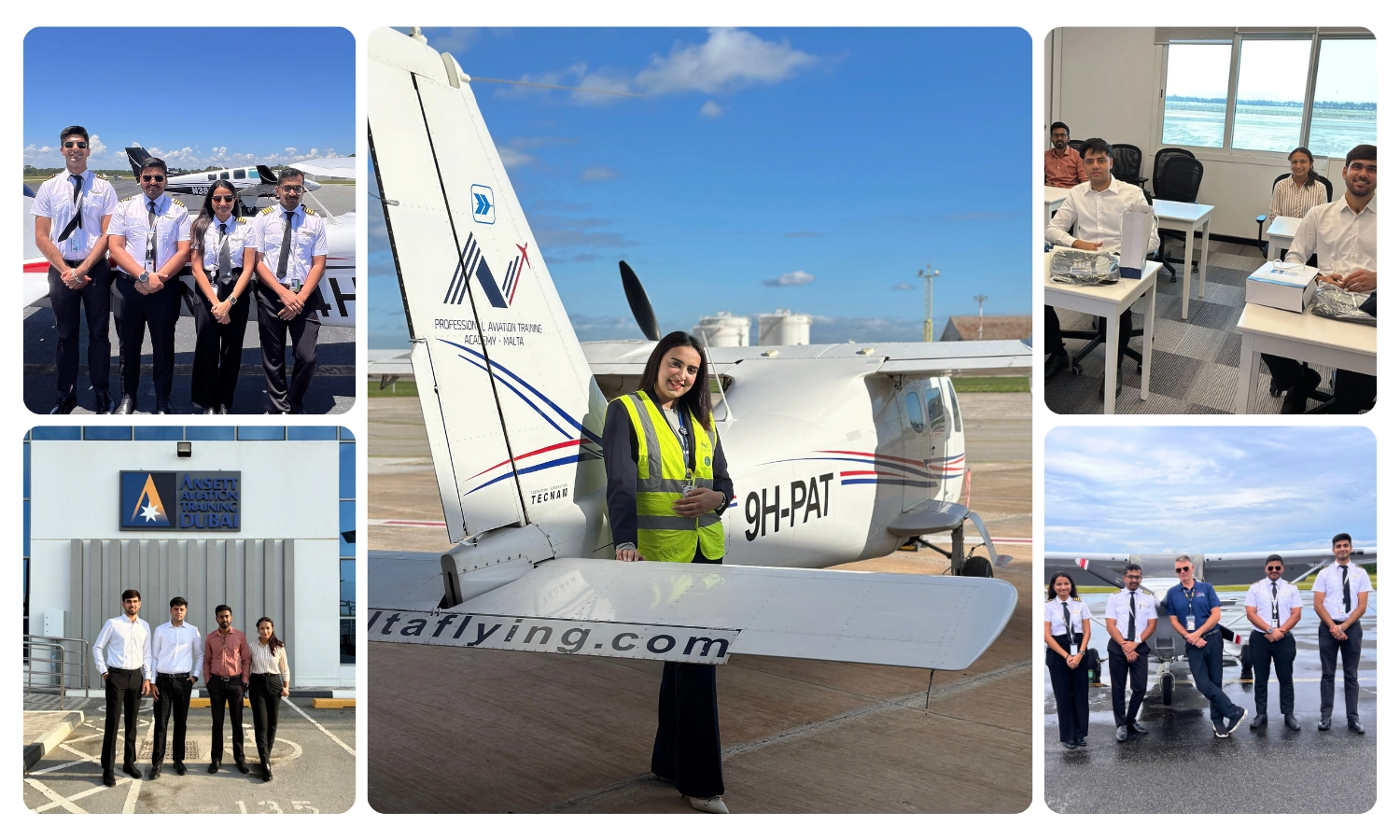
Students seeking European aviation exposure can also pursue CPL training through our partner in Malta – Professional Aviation Training Academy (Malta School of Flying).
Located in one of Europe’s most favourable aviation environments, the academy provides EASA-compliant pilot training programs.
Training advantages include:
- CPL training under European Union Aviation Safety Agency (EASA) standards
- Access to controlled European airspace
- Professional flight instructors and a modern aircraft fleet
- Exposure to international aviation procedures used across Europe
An EASA license is widely recognised globally and provides pilots with additional international career opportunities.
Commercial Pilot Training Abroad for Competitive Advantage
Training abroad gives aspiring pilots valuable exposure to real-world aviation environments, including:
- Flying through varied weather conditions
- Operating in busy international airports
- Training in modern glass cockpit aircraft
- Understanding global aviation procedures
This international exposure helps pilots build the adaptability, confidence, and decision-making skills required by modern airlines.
Type Rating Training with Global Industry Leaders
After obtaining a Commercial Pilot Licence, the next important step for many pilots is a Type Rating, which certifies them to operate specific commercial aircraft.
TNC Aviation partners with Ansett Aviation Training, a globally recognised aviation training organisation.
Key Aspects of Ansett Type Rating Training
- Global training centres: Melbourne (Australia), Dubai (UAE), Milan (Italy), and Taipei (Taiwan)
- Primary aircraft types: Airbus A320 (CEO/NEO), Boeing 737NG and ATR 72-600
- Advanced full-flight simulator training environments
Through our Dubai training pathway, students gain access to internationally recognised type rating programs that prepare them for airline cockpit operations.
International Pilot Training with Local Mentorship
TNC Aviation’s training model combines global aviation infrastructure with strong mentorship and guidance from aviation experts in India.
Students receive comprehensive support, including:
- Pre-enrollment counselling
- Guidance on international training pathways
- DGCA license conversion assistance
- Access to advanced flight simulation technology
- International safety and operational training
- Networking opportunities with aviation professionals
This integrated training approach ensures pilots are not only technically proficient but also develop the leadership, professionalism, and operational awareness required in airline environments.
Why Global-Integrated Pilot Training Matters
In the next ten years, as one of the world’s fastest-growing aviation industries, airlines will continue to need a large influx of new pilots.
Pilots who have some combination of structured formal aviation training and international aviation experience will be more adaptable to airline operations globally.
Modern aviation requires world-class preparation and competencies beyond just the accumulation of flight hours.
Start Your Journey to the Cockpit
Choosing the right pilot training pathway is one of the most important decisions for anyone exploring how to become a pilot in India.
Whether you are considering:
- Pilot training in India
- Commercial pilot training abroad
- International type rating programs
TNC Aviation provides a globally integrated training pathway supported by experienced aviation professionals.
Your journey to the cockpit starts with the right training and the right guidance.
If you dream of flying professionally and training on global aviation standards, connect with our aviation experts to explore your CPL training pathway today.
