

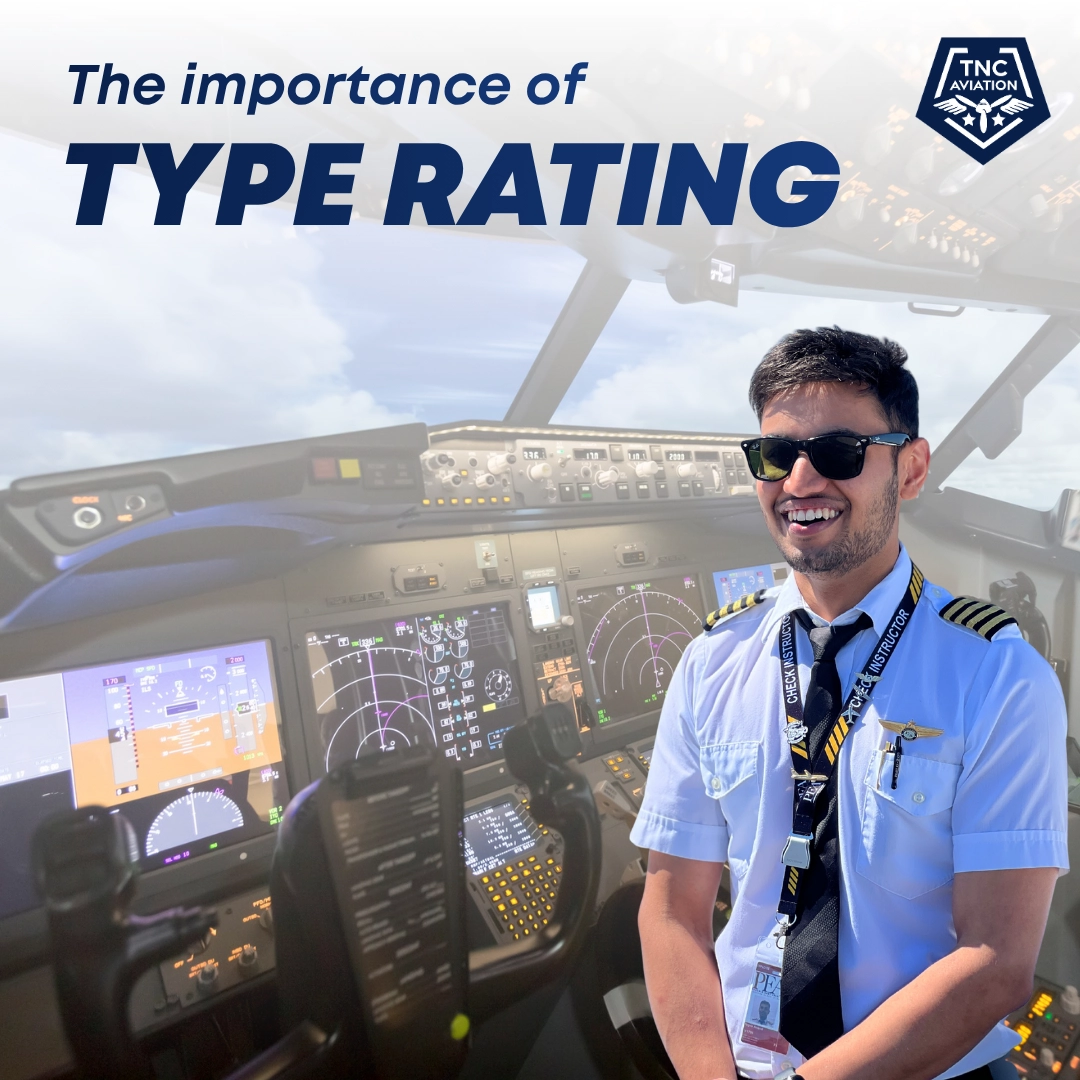
How Type Rating Helps CPL Holders Start an Airline Career
Obtaining a Commercial Pilot License (CPL) is a major milestone in a pilot’s journey. However, many aspiring pilots are surprised to learn that a CPL alone may not be enough to operate commercial airline aircraft.
To transition from a licensed pilot to an airline-ready professional, many pilots pursue an Aircraft Type Rating.
Type rating serves as an important bridge between flight training and airline operations, helping pilots gain the aircraft-specific knowledge and practical skills required in a professional airline environment.
What Is Aircraft Type Rating?
Aircraft Type Rating is a specialised training program that qualifies pilots to operate a specific aircraft type.
Examples include:
- Airbus A320
- Boeing 737
- ATR 72-600
Since each aircraft has unique systems, procedures, and handling characteristics, pilots must complete aircraft-specific training before operating them commercially.
Why Is Type Rating Important After CPL?
A CPL demonstrates that a pilot has successfully completed flight training and meets licensing requirements.
However, airline operations require additional knowledge and proficiency that go beyond basic pilot training.
Type rating helps pilots develop:
- Aircraft-specific technical knowledge
- Standard operating procedure (SOP) compliance
- Crew coordination skills
- Emergency handling capability
- Operational readiness for airline environments
This makes type rating an important step in preparing for airline opportunities.
How Type Rating Bridges the Gap Between Training and Airlines
Many CPL holders have strong flying fundamentals but limited exposure to airline-specific operations.
Type rating helps bridge this gap by introducing pilots to:
Airline Standard Procedures
Pilots learn how airline crews operate in highly structured environments.
Training focuses on:
- SOP adherence
- Checklist discipline
- Operational decision-making
- Crew communication
Advanced Aircraft Systems
Commercial aircraft involve sophisticated systems that require specialised knowledge.
Pilots gain understanding of:
- Aircraft electrical systems
- Hydraulic systems
- Flight management systems (FMS)
- Performance calculations
- Operational limitations
Simulator-Based Learning
Simulator training forms a major part of type rating.
This includes:
- Normal flight operations
- Engine failure scenarios
- Adverse weather situations
- Emergency procedures
- Crew resource management (CRM) exercises
Benefits:
- Builds confidence
- Enhances decision-making
- Improves cockpit coordination
How Type Rating Supports Airline Recruitment
Many airlines look for candidates who can demonstrate operational readiness and professionalism.
While recruitment requirements vary between airlines, type rating can strengthen a pilot’s profile by showcasing:
- Commitment to professional development
- Aircraft-specific knowledge
- Familiarity with airline operations
- Simulator proficiency
What airlines typically evaluate:
- Technical competence
- Communication skills
- Professional attitude
- Presence of mind during assessments
Type rating helps candidates prepare for these expectations.
Skills Developed During Type Rating
Beyond technical knowledge, pilots develop several professional skills.
Communication Skills
Effective cockpit communication is critical in airline operations.
Training focuses on:
- Standard phraseology
- Crew coordination
- Clear communication under pressure
Decision-Making Ability
Pilots learn to evaluate situations quickly and respond appropriately.
Professional Discipline
Airline operations require consistency and procedural accuracy.
Type rating reinforces:
- Checklist usage
- SOP compliance
- Situational awareness
Common Misconception: Type Rating Guarantees a Job
One of the most common misconceptions among aspiring pilots is that completing a type rating automatically leads to airline employment.
Reality:
Type rating improves airline readiness and strengthens a pilot’s profile, but final selection depends on several factors, including:
- Airline vacancies
- Recruitment requirements
- Technical assessments
- Interview performance
- Overall candidate profile
Pilots should view type rating as a professional qualification rather than a guaranteed placement pathway.
Choosing the Right Type Rating Program
Before enrolling, pilots should evaluate:
- Training quality
- Instructor experience
- Simulator standards
- Industry reputation
- Career guidance and support
Selecting a program solely on the basis of cost may not always be the best long-term decision.
Common Mistakes CPL Holders Make
1. Delaying Career Planning
Many students wait until after obtaining their CPL to explore airline pathways.
2. Focusing Only on Technical Skills
Airlines evaluate communication, professionalism, and teamwork in addition to flying competence.
3. Choosing Training Based Only on Fees
Training quality should remain a priority when selecting a type rating provider.
4. Unrealistic Expectations
Type rating is an important career-building step, but it is only one part of the airline recruitment journey.
Career Opportunities After Type Rating
Depending on airline requirements and market conditions, type-rated pilots may explore opportunities such as:
- First Officer positions
- Airline cadet pathways
- Regional airline opportunities
- Airline operational support roles
The specific opportunities available may vary over time and across airlines.
Conclusion
Aircraft Type Rating plays a critical role in helping CPL holders transition from flight training to airline operations. It provides aircraft-specific knowledge, simulator experience, operational discipline, and professional exposure that support airline readiness.
Pilots who combine strong technical preparation with communication skills, professionalism, and a positive learning attitude are better positioned to pursue airline opportunities and build long-term careers in aviation.
Why Choose TNC Aviation
If you are planning your next step after CPL, TNC Aviation provides:
- Career guidance for aspiring pilots
- Aviation-focused mentoring and preparation
- Interview and personality development support
- Guidance aligned with airline recruitment expectations
At TNC Aviation, aspiring pilots receive structured guidance to prepare confidently for every stage of their airline career journey.
