

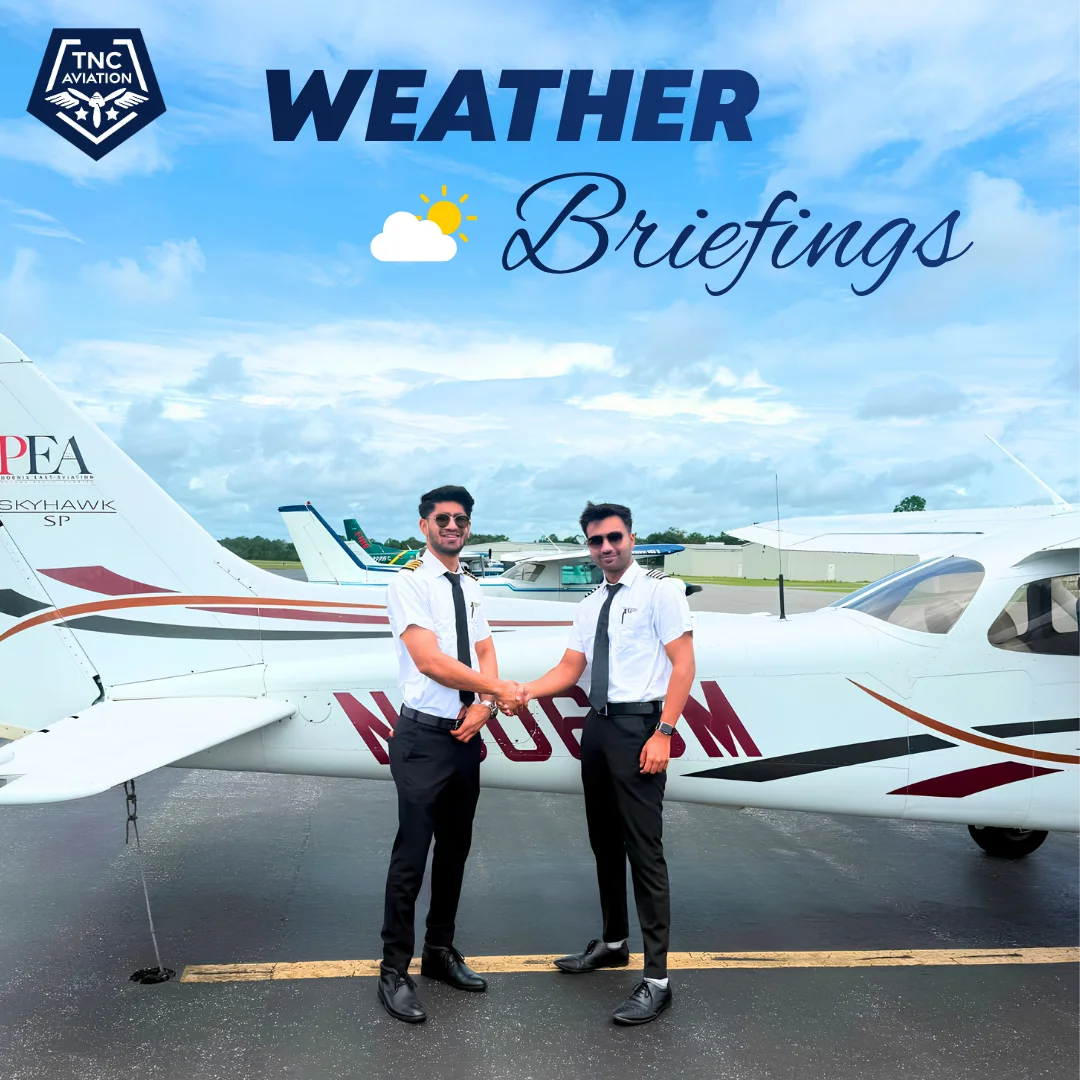
How Weather Briefings Become a Daily Habit for Student Pilots
Every successful flight begins long before the aircraft leaves the ground. While many people associate pilot training with flying, one of the most important habits student pilots develop is checking the weather before every flight.
Weather directly influences flight planning, aircraft performance, route selection, and overall flight safety. This is why professional flight schools encourage students to make weather briefings a daily routine from the very beginning of their training.
Learning to understand weather conditions is not just about passing examinations – it’s about developing the mindset of a safe and responsible pilot.
What Is a Weather Briefing?
A weather briefing is the process of reviewing current and forecast weather conditions before a flight.
It helps pilots understand whether conditions are suitable for flying and what factors may affect the flight.
A typical weather briefing may include:
- Wind direction and speed
- Visibility
- Cloud coverage
- Temperature
- Rain or thunderstorms
- Air pressure
- Weather forecasts along the planned route
Pilots use this information to make informed operational decisions before every flight.
Why Are Weather Briefings So Important?
Weather conditions can change rapidly and have a significant impact on flight operations.
Reviewing weather before every flight helps pilots:
- Plan safer flights
- Identify potential hazards
- Select suitable routes
- Prepare for changing conditions
- Make informed go/no-go decisions
Developing this habit early is an essential part of professional pilot training.
1. Building a Safety-First Mindset
Professional flight schools teach students that every flight begins with preparation.
Checking the weather becomes one of the first tasks before entering the cockpit.
Students learn to ask:
- Are conditions suitable for today’s lesson?
- Will the weather remain stable throughout the flight?
- Are there any operational limitations?
- Is an alternate plan required?
This approach encourages thoughtful decision-making rather than rushed decisions.
2. Learning to Assess Flight Conditions
Student pilots gradually learn how different weather conditions affect aircraft operations.
Training includes understanding:
- Wind strength and direction
- Visibility limitations
- Cloud formations
- Temperature effects
- Turbulence
- Thunderstorm activity
Rather than simply reading weather reports, students learn how to interpret them in relation to flight safety.
3. Improving Flight Planning Skills
Weather is an important part of every flight plan.
Students learn to consider:
- Route selection
- Flight timing
- Fuel planning
- Alternate airports
- Expected weather changes
Professional flight planning always includes evaluating weather before departure.
4. Understanding Aircraft Limitations
Every aircraft has operational limitations that may be affected by weather conditions.
Students learn how weather can influence:
- Take-off performance
- Landing performance
- Aircraft handling
- Crosswind operations
- Visibility requirements
Understanding these limitations helps pilots make safer operational decisions.
5. Developing Better Decision-Making
One of the most valuable lessons in aviation is knowing when not to fly.
Professional flight schools encourage students to evaluate risks objectively rather than allowing pressure or excitement to influence decisions.
Weather briefings help students develop:
- Situational awareness
- Risk assessment
- Sound judgement
- Confidence in decision-making
These qualities remain important throughout a pilot’s career.
6. Learning Professional Responsibility
Airlines expect pilots to arrive fully prepared before every flight.
By checking weather reports daily, student pilots begin developing professional habits such as:
- Preparing thoroughly
- Reviewing operational information
- Anticipating challenges
- Planning ahead
These habits support long-term success in aviation.
7. Applying Classroom Knowledge
Ground school introduces students to aviation meteorology.
Weather briefings provide opportunities to apply that knowledge in real-world situations.
Students begin recognising:
- Weather patterns
- Frontal systems
- Visibility changes
- Wind effects
- Forecast trends
Connecting theory with practical decision-making strengthens learning.
8. Building Confidence Through Consistency
The more frequently students analyse weather conditions, the more comfortable they become interpreting aviation weather information.
Over time, regular practice helps students:
- Make quicker assessments
- Identify operational risks
- Understand weather trends
- Improve confidence before every flight
Like flying itself, weather interpretation improves with experience.
Common Mistakes Student Pilots Should Avoid
– Looking Only at Current Weather
Weather forecasts are equally important, especially for longer flights.
– Ignoring Wind Conditions
Wind affects take-offs, landings, and aircraft performance.
– Relying on General Weather Apps
General weather applications may not provide the aviation-specific information required for flight planning. Student pilots should learn to use approved aviation weather sources recommended by their instructors and training organisations.
– Assuming Good Weather Means Safe Flying
Even clear skies can present operational challenges such as strong winds, turbulence, or reduced visibility.
– Skipping the Weather Briefing
Every flight deserves a fresh weather assessment, regardless of previous conditions.
Skills Students Develop Through Daily Weather Briefings
Making weather briefings a daily habit helps students develop:
- Aviation weather awareness
- Flight planning skills
- Risk assessment
- Decision-making ability
- Situational awareness
- Professional discipline
- Operational responsibility
These competencies become increasingly valuable as students progress towards commercial pilot training and airline careers.
Important Clarification
The weather briefing process may vary depending on the flight school, training programme, location, and aviation authority under which the training is conducted.
Students should always follow the weather briefing procedures and approved aviation weather resources recommended by their instructors and training organisation before every flight.
Conclusion
Weather briefings are far more than a routine checklist – they are one of the first professional habits every student pilot develops. By learning to analyse weather conditions, assess risks, and plan accordingly, students build the decision-making skills and safety mindset expected of professional pilots.
Consistently reviewing weather before every flight not only supports safer operations during training but also prepares aspiring pilots for the responsibilities they will carry throughout their aviation careers.
Why Choose TNC Aviation
If you are planning to begin your pilot training journey, TNC Aviation provides:
- Personalised career guidance for aspiring pilots
- Assistance in selecting suitable flight training pathways
- Support with documentation and pre-departure preparation
- Interview preparation and personality development
- Guidance aligned with international aviation training standards
At TNC Aviation, aspiring pilots receive structured guidance to understand every stage of pilot training and develop the professional habits, safety awareness, and operational discipline expected throughout the aviation industry.
