

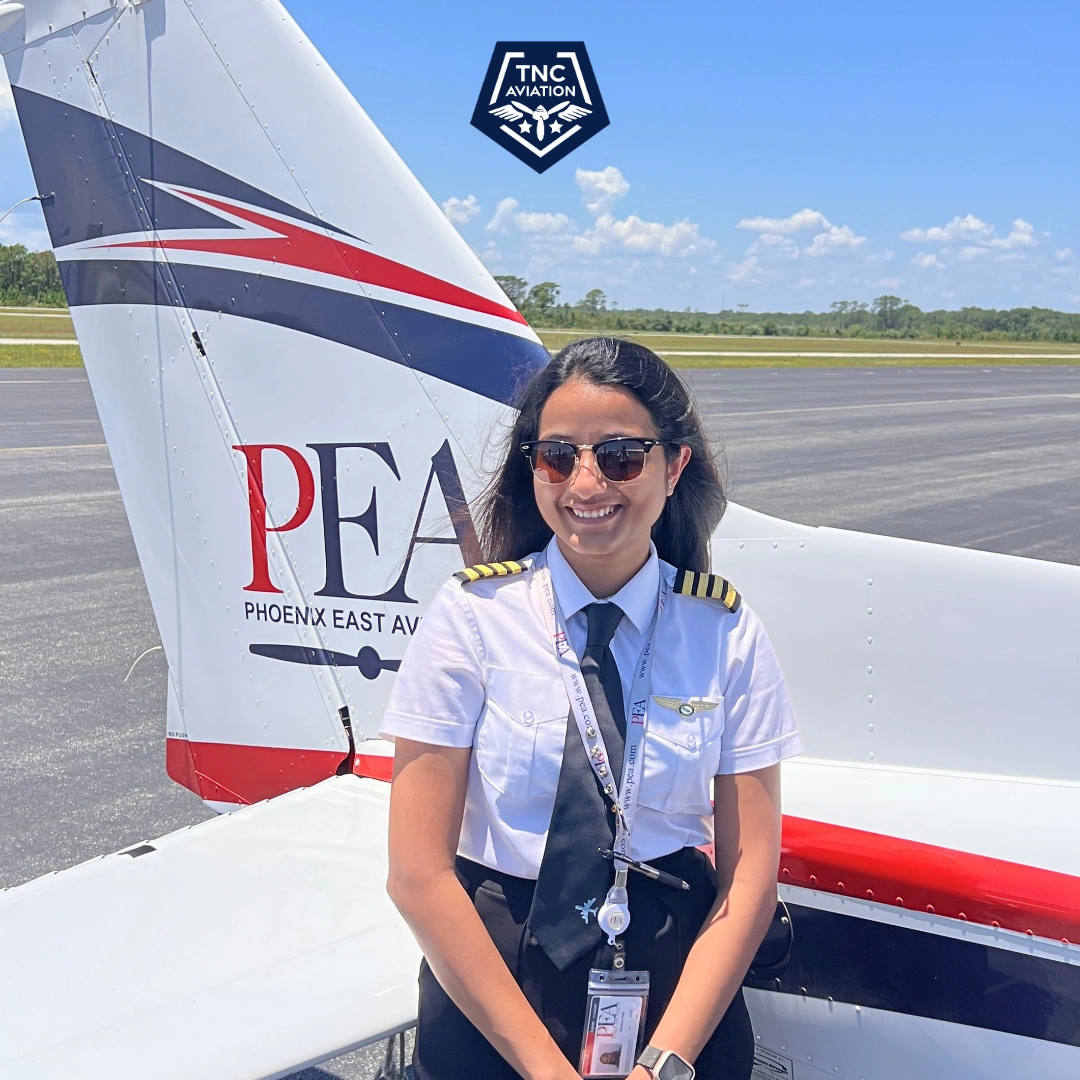
Why Florida’s Weather Gives Student Pilots More Flying Opportunities
Choosing the right location for flight training can have a significant impact on a student’s learning experience. While the quality of instructors, aircraft, and training facilities are important, weather also plays a major role in determining how consistently students can fly.
Florida has long been recognised as one of the preferred destinations for pilot training due to its generally favourable flying conditions throughout much of the year. For Indian students planning to pursue flight training in the United States, understanding how weather influences training can help them make informed decisions.
Why Does Weather Matter in Flight Training?
Flight training is a practical process that depends heavily on suitable weather conditions.
When weather conditions are unfavourable, flight lessons may need to be postponed or rescheduled. Frequent interruptions can affect continuity, delay progress, and extend the overall duration of training.
Consistent flying opportunities allow students to practise regularly and reinforce the skills they learn during ground school and simulator sessions.
Florida’s Climate Supports Consistent Flight Training
Florida generally experiences a warm climate with many flyable days throughout the year.
This often allows flight schools to schedule practical training more consistently compared to locations that experience prolonged periods of snow, freezing temperatures, or severe winter weather.
Potential benefits include:
- More opportunities for scheduled flight lessons
- Better continuity in training
- Consistent skill development
- Reduced gaps between flying sessions
While weather conditions can never be guaranteed, Florida’s climate often supports regular flight operations.
More Flying Opportunities Mean More Practice
One of the biggest advantages of consistent flying is regular practice.
Students who fly more frequently can reinforce concepts learned during previous lessons and gradually build confidence in the cockpit.
Regular flying allows students to improve:
- Aircraft handling
- Take-off and landing techniques
- Navigation skills
- Radio communication
- Situational awareness
- Decision-making ability
Frequent practice often leads to better skill retention.
Less Time Spent Waiting for Suitable Weather
In regions with prolonged adverse weather, students may experience repeated cancellations or delays.
Although weather-related disruptions can occur anywhere, Florida generally offers more opportunities for training to continue throughout the year.
This may help students maintain momentum during their training programme.
Exposure to Diverse Weather Conditions
While Florida is known for its favourable climate, students are also exposed to changing weather patterns.
Learning to understand and manage varying weather conditions is an important part of pilot training.
Students develop experience in:
- Weather interpretation
- Flight planning
- Risk assessment
- Operational decision-making
This practical exposure contributes to overall aviation knowledge.
Better Training Continuity
Learning complex flying skills requires consistency.
When long gaps occur between lessons, students may need additional revision before progressing.
More consistent flight schedules can help students:
- Retain previously learned skills
- Build confidence steadily
- Progress through training more efficiently
- Develop stronger flying habits
Training continuity plays an important role in long-term pilot development.
Supports Timely Completion of Flight Training
Every student’s progress depends on multiple factors, including performance, instructor availability, aircraft scheduling, and weather.
Locations that generally offer more flyable days may help reduce weather-related interruptions, allowing students to complete scheduled flight lessons more consistently.
However, actual training duration will vary from one student to another.
Beyond Weather: Other Advantages of Training in Florida
While weather is an important consideration, students should also evaluate other aspects of a flight school.
These include:
- Instructor experience
- Aircraft availability
- Simulator facilities
- Safety standards
- Training curriculum
- Student support services
- Maintenance standards
Choosing a flight school should always involve evaluating the overall quality of training rather than relying on weather alone.
Tips for Indian Students Planning Flight Training in Florida
Before selecting a flight school, students should:
- Research the school’s training structure
- Understand the complete CPL pathway
- Strengthen theoretical knowledge before departure
- Improve English communication skills
- Complete documentation in advance
- Prepare for adapting to a new training environment
- Maintain realistic expectations about training timelines
Proper preparation helps students make the most of the opportunities available.
Why Consistent Flying Matters for Airline Careers
Regular flight practice allows students to develop:
- Better aircraft handling skills
- Stronger decision-making ability
- Improved confidence
- Greater operational discipline
- Professional flying habits
These qualities support future training milestones such as aircraft type rating and airline recruitment.
Important Clarification
Although Florida generally offers favourable flying conditions for much of the year, weather remains unpredictable. Flight schedules are always subject to operational requirements and safety considerations.
Students should also remember that choosing a flight school involves evaluating several factors, including training quality, instructor experience, fleet availability, student support, and overall learning environment.
Conclusion
Florida’s weather has made it one of the world’s most popular destinations for flight training because it often provides student pilots with more opportunities to fly consistently throughout the year.
Regular flying helps students strengthen technical skills, build confidence, and maintain continuity in their training. Combined with disciplined preparation, quality instruction, and a structured training programme, these opportunities can contribute to a strong foundation for a successful aviation career.
Why Choose TNC Aviation
If you are planning to pursue flight training in the USA, TNC Aviation in partnership with Phoenix East Aviation, Florida provides:
- Personalised career guidance for aspiring pilots
- Assistance in selecting the right international flight training pathway
- Support with documentation and pre-departure preparation
- Interview preparation and personality development
- Guidance aligned with international aviation training standards
At TNC Aviation, aspiring pilots receive structured guidance to make informed decisions and confidently begin their journey towards becoming professional airline pilots.
